An Antarctic trial by Aurora Expeditions has revealed promising fuel savings using AI-powered ocean technology.
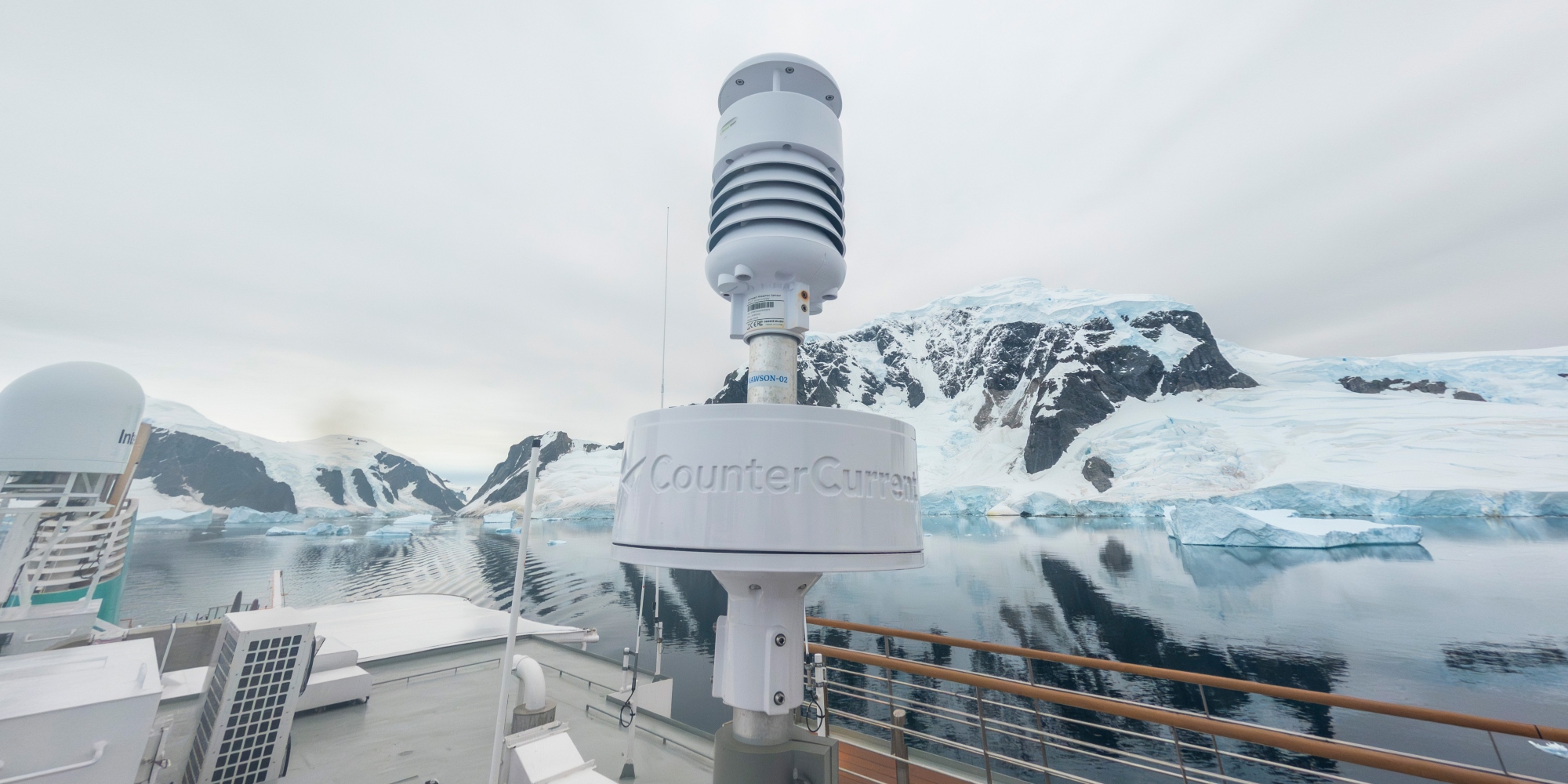
Conducted between December 2025 and March 2026 aboard Douglas Mawson, the trial generated 39 route recommendations across five Antarctic voyages and collected more than 5,600 environmental observations during 126 days of operation.
Early sea trials indicated fuel savings of more than 2% to 5% over 24 hours, while preliminary modelling suggests savings could reach 5% to 15% in suitable conditions depending on vessel type, speed and route. Further testing will be required to validate longer-term performance.
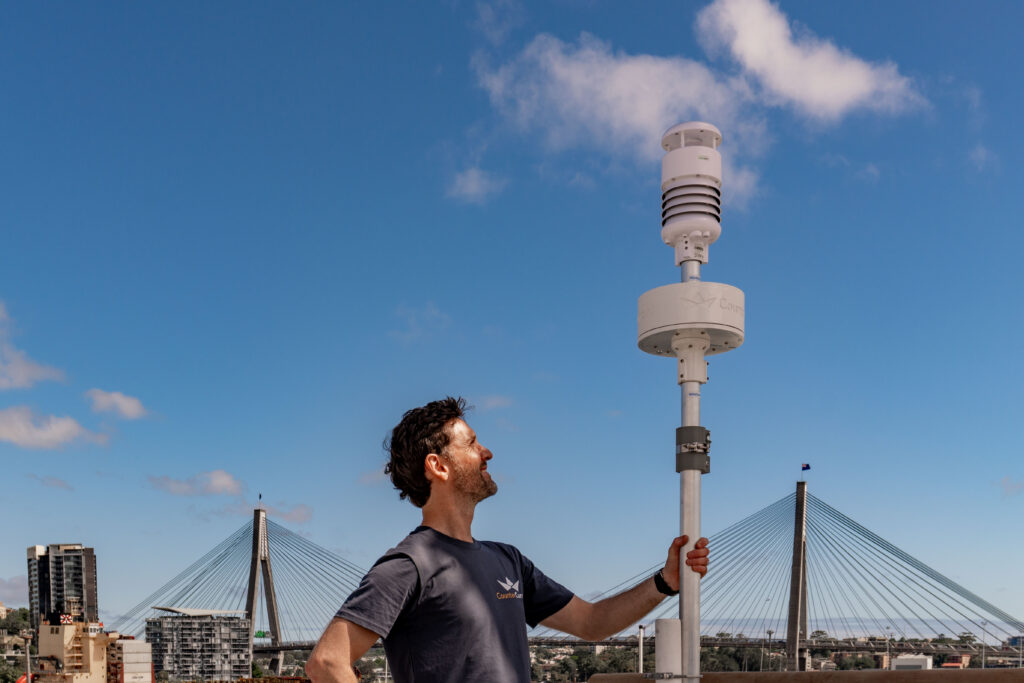
The CounterCurrent technology combines AI forecasting, ship-mounted sensors and real-time ocean observations to identify favourable currents and recommend route adjustments designed to reduce fuel use without necessarily increasing journey times. Final navigation decisions remain with each ship’s captain and bridge team.
Sasha Buch, Aurora Expeditions Head of Sustainability and Passenger Experience, said the trial was intended to explore practical ways of improving operational efficiency in remote environments.
“By testing these innovations in Antarctica, we’re supporting practical solutions with the potential to deliver environmental benefits,” Ms Buch said.
During the trial, sensors operated in temperatures as low as -30°C and winds of up to 120 kilometres per hour. Feedback from the ship’s crew was also used to refine the system around sea ice, swell, passenger comfort and expedition schedules.
Upgraded Mark 3 Triton sensors have now been installed aboard Douglas Mawson, Sylvia Earle and Greg Mortimer.
The next phase will investigate fleet-wide forecasting, allowing observations from one vessel to help improve recommendations for other ships operating in the same region.