Carnival Cruise Line’s shock announcement that it is withdrawing two more ships from Australia has dealt another blow to the local cruise industry, leaving just two of its vessels scheduled to operate year-round from 2028.
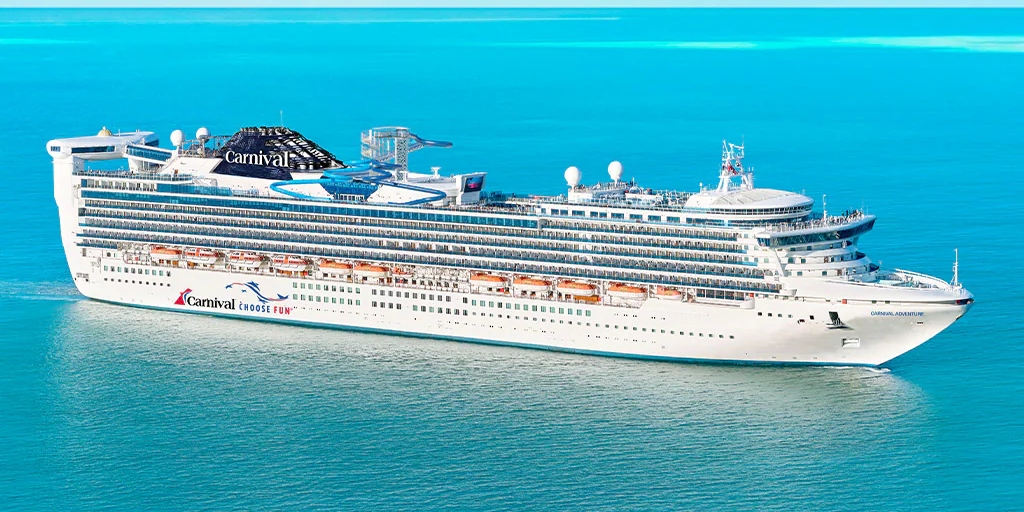
Carnival Luminosa will make its final voyage from Sydney on 15 March 2028, followed by Carnival Adventure on 20 March. The latter will not return to Australia as originally planned.
The announcement has prompted fresh warnings from Cruise Lines International Association (CLIA) that Australia is losing its competitiveness as a cruise destination, putting tourism spending and jobs at risk.
“This latest news confirms the industry’s fears and will wipe hundreds of millions of dollars from the Australian visitor economy,” CLIA said in a statement.
“The cruise industry has been warning for some time that regulatory uncertainties and rising costs have seriously damaged Australia’s ability to attract cruise ships to local waters.
“Notable cruise brands have left this region while others have reduced their Australian operations, despite record levels of demand among cruise passengers here and overseas.
“Cruise tourism previously generated more than $7 billion a year for the Australian economy and supports more than 22,000 jobs around the country, some of which are now under a cloud.
The statement continued calling for urgent action to improve Australia’s competitiveness, saying stable, practical and competitive policy settings are needed to attract ships and create economic opportunities for communities.
The writing was on the wall
In February, Carnival announced that Carnival Adventure would move to seasonal Australian operations from April 2028, relocating to North America for the northern hemisphere summer.
The company cited market conditions and an uncertain regulatory environment in Australia and New Zealand as factors in its deployment planning.
However, this latest announcement goes further, confirming that Carnival Adventure will not return to Australia as originally planned.
Carnival says its fleet decisions reflect long-term global planning and the need for certainty and globally competitive operating conditions.
While the company maintains its commitment to Australian cruising, the withdrawals raise an uncomfortable question: if demand remains strong, why are ships leaving?
 First P&O. Now two more ships
The latest cuts follow Carnival Corporation’s controversial decision to retire the P&O Cruises Australia brand in 2025, ending a 92-year chapter in Australian cruising.
Announced in June 2024, the move was presented as a way to streamline operations, improve efficiencies and consolidate the company’s Australian fleet under the Carnival Cruise Line brand.
From March 2025, Pacific Adventure and Pacific Encounter were rebranded as Carnival Adventure and Carnival Encounter, while Pacific Explorer left the fleet.
The decision disappointed loyal P&O passengers who felt the brand had developed a distinctively Australian identity and following.
The reduction raises more questions about Australia’s ability to retain cruise capacity as operators assess deployment options across global markets.
What happens next?
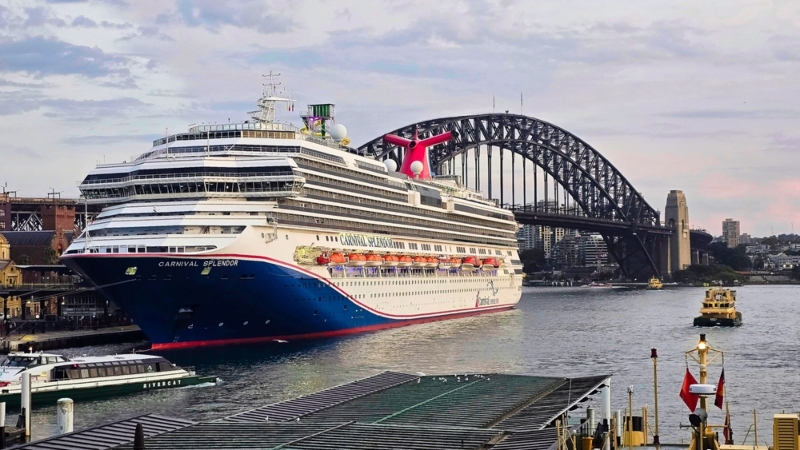
Carnival says Australians will continue to have cruising options, with more sailings aboard Carnival Splendor and Carnival Encounter expected when its 2028/29 program is released in the coming weeks.
The Federal Government has extended the cruise industry’s ability to sail between Australian ports until the end of 2028 while a longer-term licensing framework is developed.
Carnival welcomed the extension but described it as an interim measure, with Country Manager Peter Little highlighting the importance of certainty and competitive operating conditions.
The big question is whether other cruise lines will fill the gap left by Carnival Luminosa and Carnival Adventure, or whether Australia’s cruise capacity will contract further.
Fewer ships could mean less choice for passengers, although the effect on fares will depend on demand, available capacity and whether other operators expand their Australian deployments.
Australia has world-class destinations, major gateway cities and access to the South Pacific. But those advantages may not be enough if cruise lines believe other markets offer better commercial conditions.
Australia’s cruise crisis is no longer just about which ships are leaving. It is about whether the country can remain competitive enough to attract and retain them.