Travellers looking beyond headline attractions in 2027 are being encouraged to consider seasonality, local knowledge, wildlife interpretation and alternative routes as ways to add more depth to an itinerary.
Adventure World has identified five approaches based on insights from its Destination Specialists, spanning Africa, North America, South America, India and northern winter destinations.
In Southern Africa, travelling during the green season from November to April can offer a different safari experience, with changing landscapes, birdlife and varied wildlife viewing. The company’s ‘Victoria Falls & Chobe’ itinerary combines game drives with river safaris.

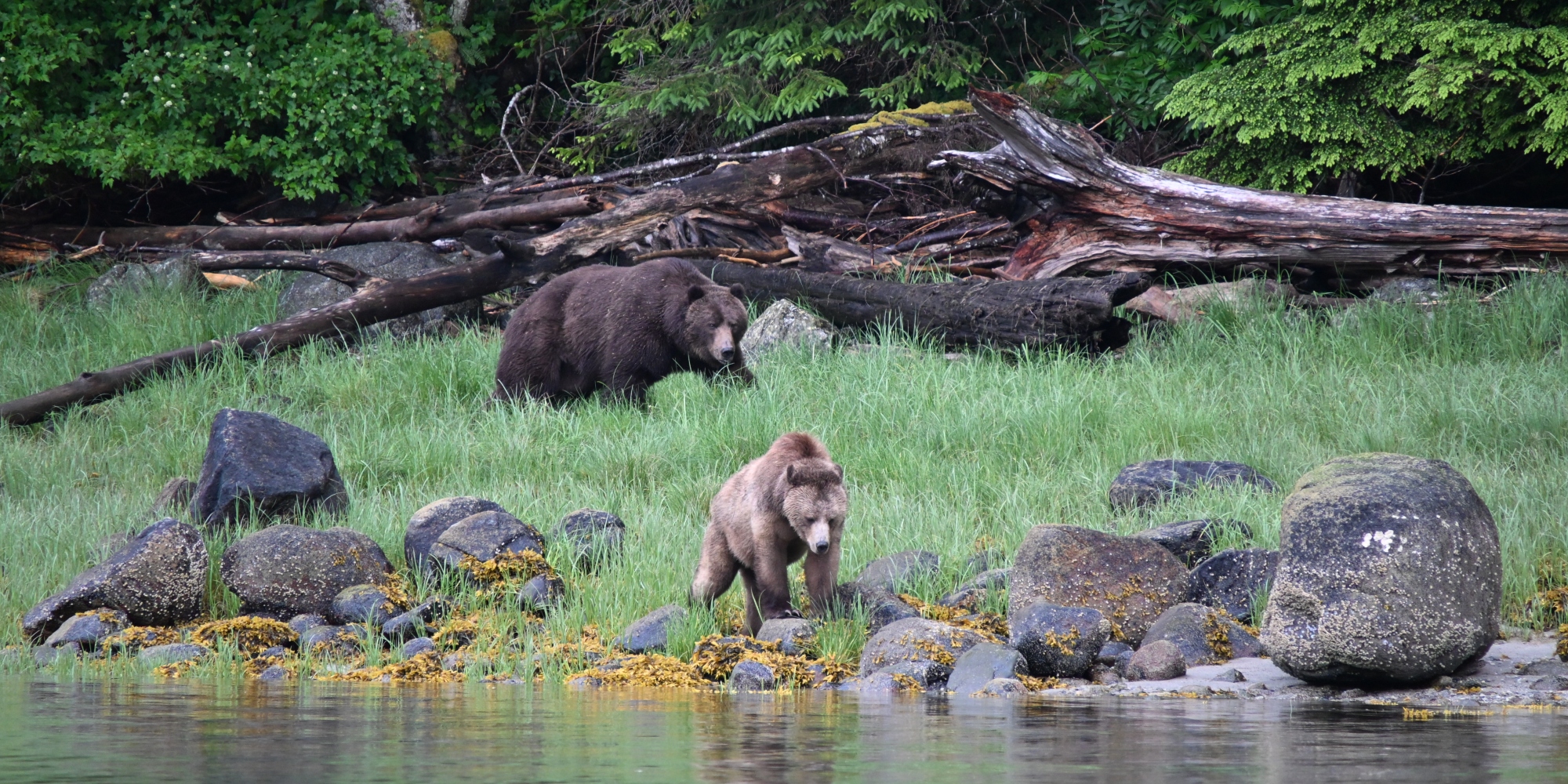
In British Columbia, First Nations-led experiences provide another way to understand a destination.
Spirit Bear Lodge in the Great Bear Rainforest is owned and operated by the Kitasoo Xai’xais Nation, combining wildlife excursions with cultural experiences and local interpretation.
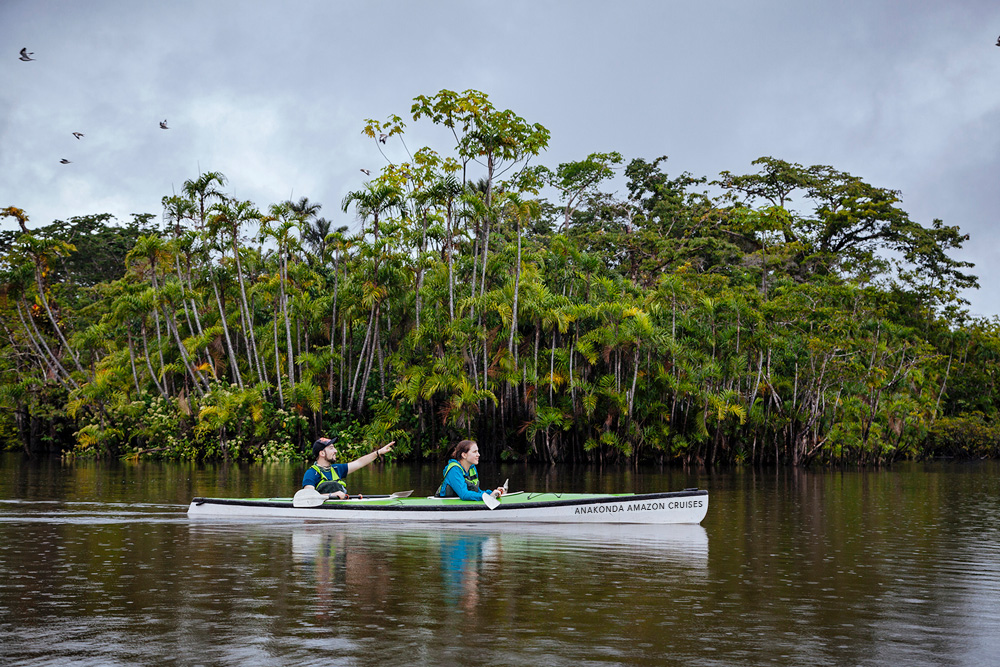
Mainland Ecuador is also being positioned as a complement to the Galápagos, with journeys into Yasuní National Park introducing travellers to Amazon wildlife and Kichwa communities.
In India, wildlife itineraries focus on understanding the habitats and ecosystems behind sightings, including snow leopard tracking in Ladakh and journeys through northern landscapes home to tigers, elephants and gharials.
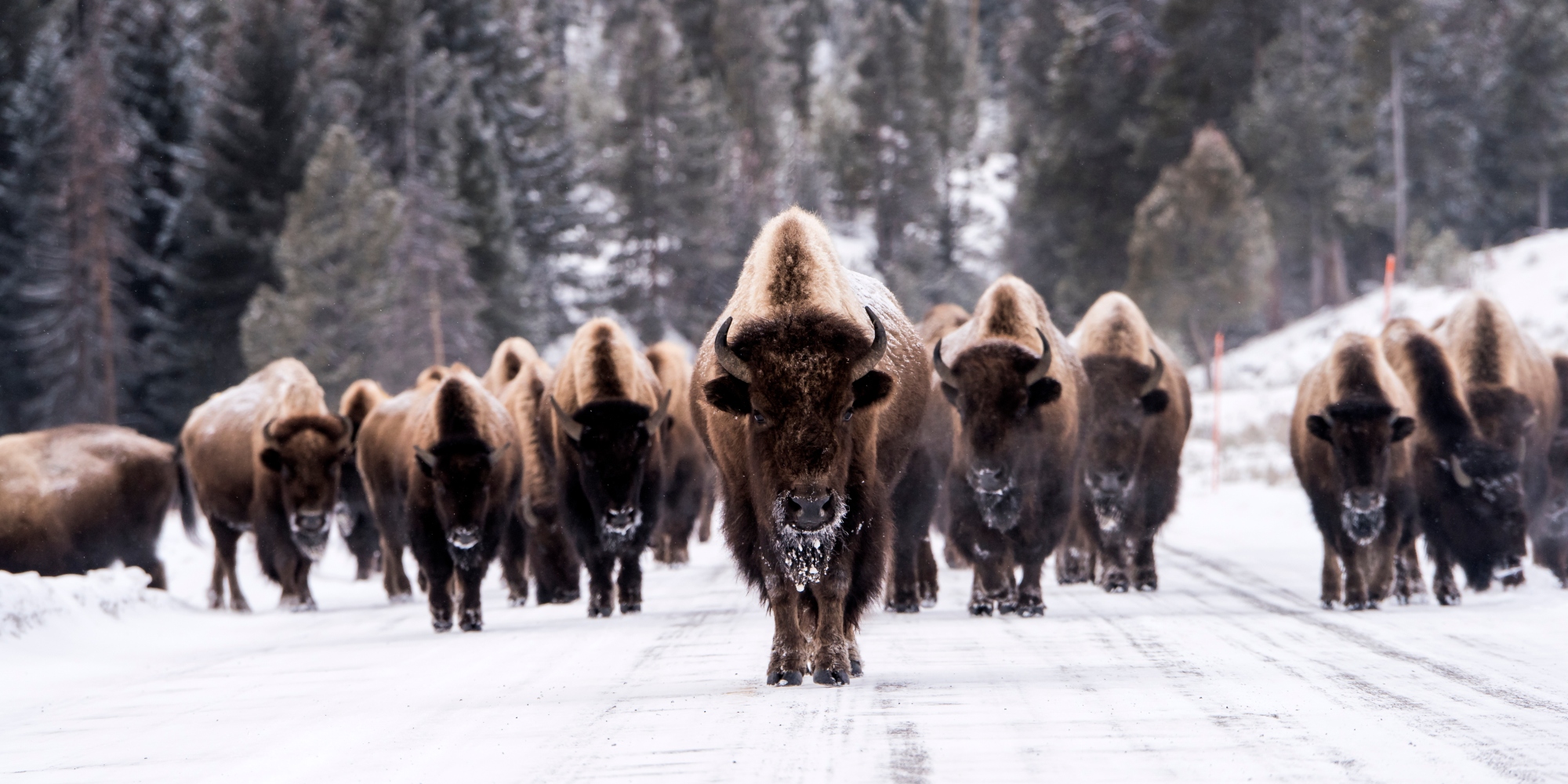
Winter can also shape how a destination is experienced. In Yellowstone, snow changes access and wildlife viewing, while northern Finland offers opportunities to learn about Sámi culture alongside Arctic landscapes.
Elizabeth Glover, Adventure World Head of Marketing, said deeper travel did not require avoiding well-known attractions.
“Travelling with more purpose doesn’t mean giving up the places you’ve always wanted to see,” Ms Glover said. “It means giving yourself the chance to understand them more fully.”