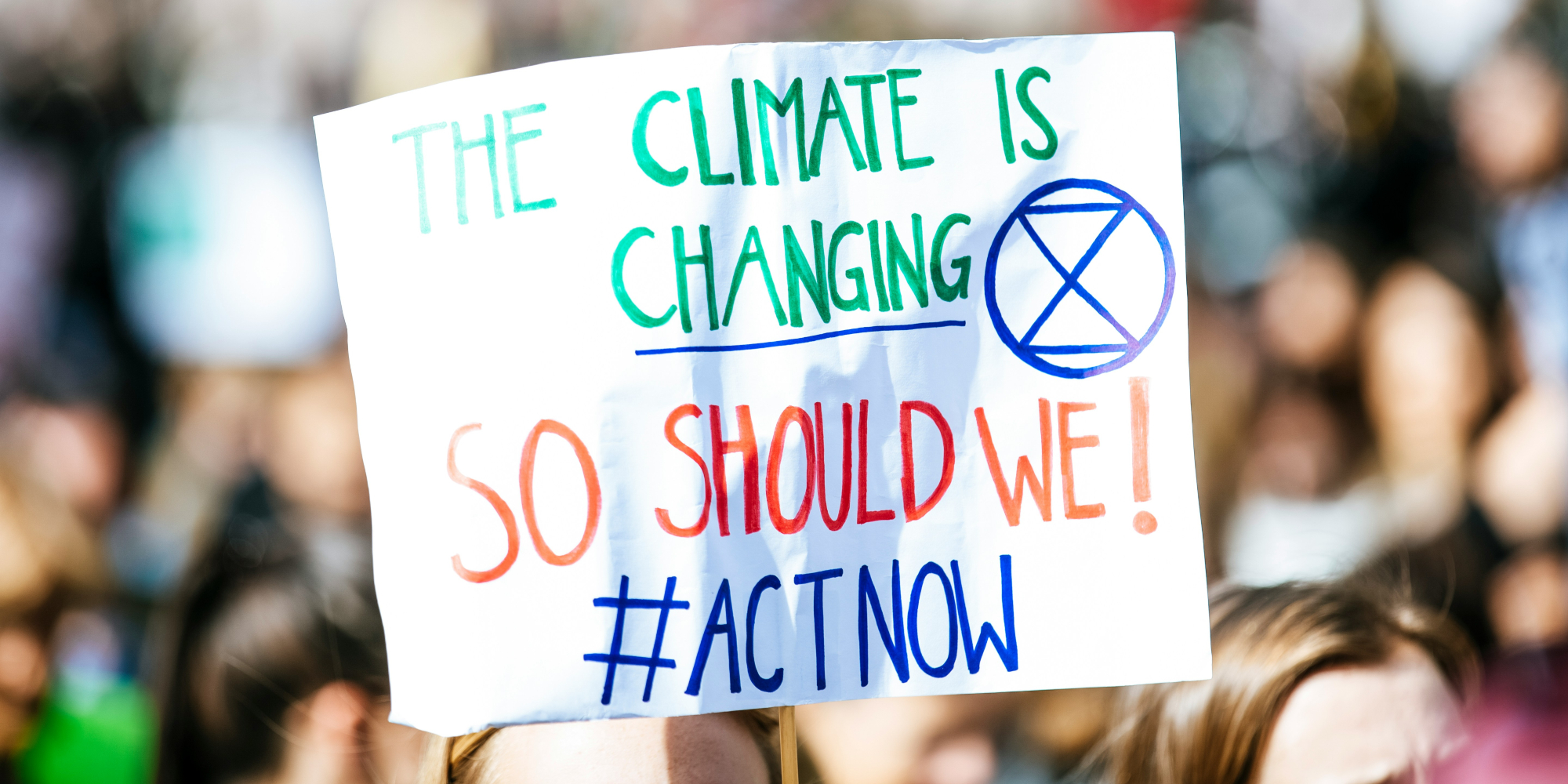
Record heatwaves, wildfires and weather-related disruption are no longer isolated events for travellers or destinations.
They are reshaping where people go, when they travel and how communities prepare for visitors.
For me, that reality is also personal. Having grown up in Germany, some of my earliest memories are of the Rhine and the forests and mountains around it. My family loved hiking and skiing, and we spent much of our time outdoors, watching the seasons change.
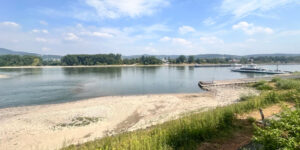
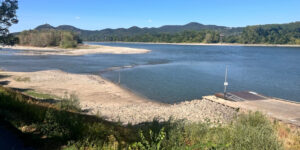
Last month when I visited my family home near the Rhine, I saw something very different.
The river was so low that moorings had shifted, traffic on the river had reduced and the banks seemed to be widening.
 What struck me most was not just what it meant for transport or tourism, but for nature itself. (Dr Susanne Etti, left).
The forests that shaped so many of my childhood memories are changing before our eyes. Rivers, forests and ecosystems have always sustained communities and attracted travellers.
As climate pressures intensify, these natural systems are becoming increasingly vulnerable.
Tourism depends on functioning destinations
A destination isn’t just a hotel, beach or an attraction. It relies on infrastructure, healthcare, emergency services, workers, local communities and the healthy rivers, forests, wildlife and ecosystems that support local economies.
When those fundamentals are under pressure due to the changing climate, tourism is under pressure too.
Severe drought and heatwaves across Europe have driven water levels at key chokepoints to historic lows, impacting cruise and shipping operations. When extreme weather caused by climate change hits a destination, the consequences extend far beyond disrupted holidays.
Our industry can no longer treat climate change as a scenario or future threat we are planning for. It is already reshaping destinations, disrupting travel patterns and testing the resilience of tourism businesses around the world.
At Intrepid, we operate in more than 100 countries and around half of our destinations were exposed to some form of physical climate risk in 2025, including wildfires, storms, droughts, floods and heatwaves.
We cannot predict every event. But we can understand where we are exposed, prepare for disruption and work with destinations to build resilience.
That means having contingency plans before a crisis happens. It means knowing how we can adapt an itinerary, where alternative suppliers are available and how we communicate with travellers when conditions change.
 Intrepid’s local operating model helps. Having teams on the ground means decisions can be made based on local conditions and knowledge.
But no travel business can solve climate risk alone. Travel businesses, destinations, tourism bodies and governments need to work together to understand climate risks, invest in adaptation and share what works.
The scale of the challenge is too large to tackle in isolation. That means sharing data, partnering with local communities, embedding climate risk into business decisions and recognising nature as our greatest ally.
Protecting and restoring nature is not separate from climate adaptation. It is central to it.
This is also an opportunity for the travel industry to lead. Tourism is one of the world’s largest industries and reaches millions of people every year.
If we can help travellers understand climate impacts, support resilient destinations and demonstrate practical solutions, we can play a meaningful role in accelerating broader climate action.
Travellers are already adapting
Climate change’s impact on travel isn’t going unnoticed by travellers.
We’ve seen bookings to Italy over the European summer falling in consecutive years, as more travellers choose shoulder-season to beat the heat.
We’re also seeing growing demand for cooler European destinations, including Iceland and Norway during peak summer months.
 The rise of the “coolcation” indicates a more significant shift in traveller behaviour. Travellers are becoming more conscious of where, when and how they travel.
Although the rise of shoulder-season travel helps spread visitors and economic benefits beyond the traditional peak, we should be careful about presenting it as a silver bullet solution.
If we simply move travellers from one overcrowded or climate-stressed destination to another, we have not solved the problem. We have moved it.
Sometimes, the answer is closer to home
We also need to acknowledge the need to reduce the impact of travel itself. Offsetting can play a role, but it cannot replace reducing emissions.
For travel businesses, that means looking closely at our own operations and supply chains and focusing on the changes we can make today, while working with the wider industry on the changes that will take longer.
For travellers, it can also mean thinking differently about distance. Choosing to travel closer to home, particularly where lower-emissions transport options are available, can reduce the need for long-haul travel while supporting regional businesses and communities.
After COVID, developing our domestic offering prompted us to rethink not just the destinations we promote, but who we promote them to and how we encourage people to explore their own backyard.
Australia is currently the third most popular destination for Aussies and Kiwis.
This is not about telling people to stop travelling overseas. International travel can bring enormous cultural and economic value.
It is about being more intentional about where, when and how we travel and choosing destinations and experiences where tourism can have a positive impact and communities have the capacity to welcome visitors.
 Progress over perfection
There is no perfect playbook for this. Climate risk will continue to evolve and no travel business or destination will get every decision right.
But uncertainty cannot become an excuse to wait. The companies that thrive in the coming decades will not be those waiting for uncertainty. They will be the ones embedding climate considerations into strategy today, sharing learnings across the sector and helping shape more resilient destinations.
The first step is understanding what the risks are. The next is working with the people who live in these destinations to prepare for them.
That means being willing to change how and when we operate and being honest about where tourism can support resilience rather than add pressure. This is where the industry needs to move from reacting to individual events to planning for climate risk as a business reality.
The decisions we make in this decade will shape not only the future of travel, but the future of many of the destinations and communities that travellers cherish.
For me, that is what progress over perfection means.
We may not have every answer, but we can make better decisions with the information we have today, learn from what happens and keep improving.
Ultimately, this is not just about protecting the holiday. It is about protecting the places that make the holiday possible.
If we want current and future generations to experience them, we need to act with far greater urgency than we have so far.